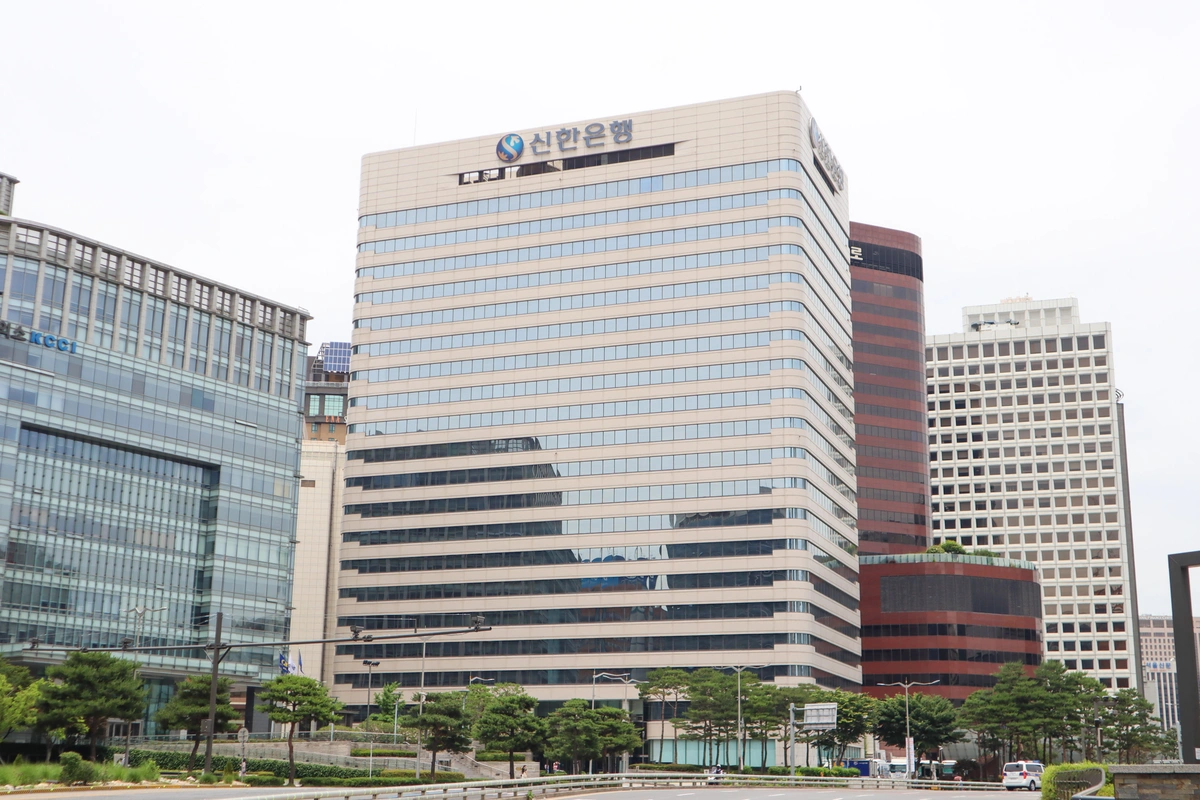
South Korean Shinhan Bank plans to open a subsidiary bank in Uzbekistan, reports a number of media outlets citing sources in the financial market.
The publication Pulse writes that Shinhan Bank Co. intends to fully enter the Uzbekistan market. This is the first major international project under the leadership of the chairman of Shinhan Financial Group, who identified overseas expansion as a key factor for future growth.
According to sources, Shinhan Bank has finally approved an internal decision to open a local branch in Uzbekistan and plans to submit an application to the country’s financial authorities in the first half of 2026.
The bank has already coordinated its actions with “local regulatory authorities,” and most of the preparatory work has been completed. According to the source, the Uzbek unit could begin full-scale operations as early as 2027.
In 2009, Shinhan Bank opened a representative office in Uzbekistan, and a year earlier it launched a subsidiary bank in Kazakhstan. In 2024, representatives of the South Korean bank arrived in the country to begin official negotiations with local financial authorities. Later, the chairman of Shinhan Financial Group joined the process, having visited the republic in April of last year.
In February 2025, the Central Bank and Shinhan Bank discussed the privatization of state-owned banks. Representatives of the South Korean bank “shared plans for expanding and strengthening their positions in the banking market of Uzbekistan in the near future.”
According to the Central Bank’s registry, there are currently representative offices of 8 foreign banks operating in Uzbekistan. Of these, two belong to South Korean banks (Korea Eximbank and Shinhan Bank), and another two belong to German banks (Landesbank Baden-Württemberg and Commerzbank AG). There is also one office each for banks from the USA (JP Morgan Chase), Russia (Gazprombank), China (Eximbank), and Turkey (Citibank AS).
The English version of this material was generated with the assistance of AI translation tools and may differ slightly from the original text.Previously, Spot wrote that the Central Bank of Uzbekistan had approved rules for unified QR codes.