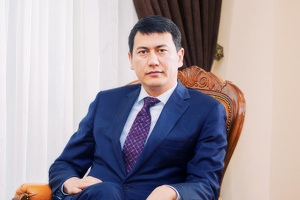
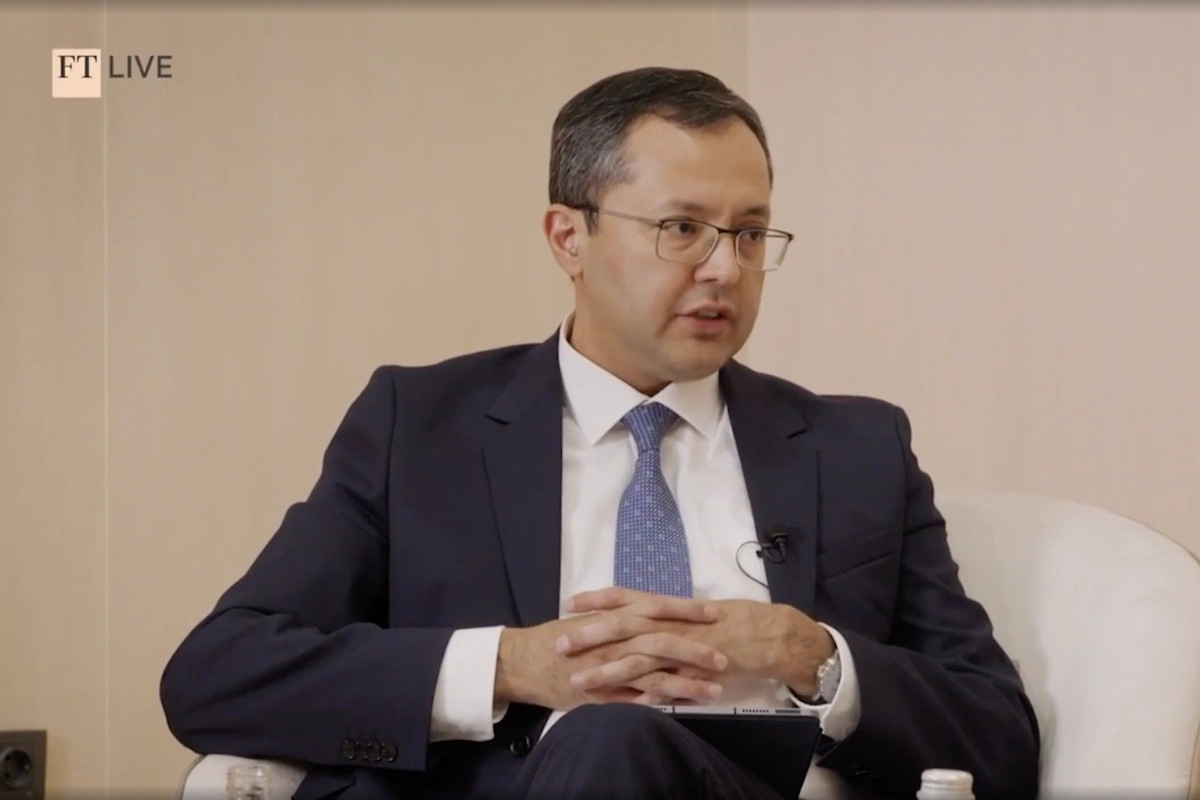
Uzbekistan needs to shift its focus from forecasting risks to strengthening economic resilience as external shocks become a permanent factor, Central Bank Chairman Timur Ishmetov said in an interview with the Financial Times.
According to Ishmetov, during the early years of reforms, Uzbekistan was mainly focused on addressing domestic challenges. However, after the COVID-19 pandemic, the country faced a series of external shocks, including various conflicts, making uncertainty the new normal.
“If previously we focused on risk management and forecasting, trying to understand where risks might emerge, now we probably need to pay more attention to resilience”, Ishmetov said.
In his view, instead of trying to predict the source of the next shock, Uzbekistan should assume that external shocks will continue to occur and strengthen the economy’s ability to withstand them.
External shocks and inflation
Ishmetov also discussed the impact of external factors on inflation. He said that rising global oil and food prices cannot be fully contained through monetary policy alone.
The Central Bank and government are therefore considering various supply-side measures, including finding alternative logistics routes and developing domestic production of certain goods.
“It's not about monetary or fiscal policy, but about the availability of these goods. We need to understand how to ensure supply — by finding alternative logistics or, where possible, producing these goods domestically”, Ishmetov said.
At the same time, price stability remains the Central Bank’s main priority. Ishmetov stressed that the regulator is ready to respond if upside inflation risks materialize, but does not intend to react automatically to every change in global markets.
According to him, the Central Bank will base its decisions on economic data and assess whether external shocks are actually beginning to affect Uzbekistan’s economy. If such risks materialize, the regulator will be prepared to maintain its current tight monetary policy.
The English version of this material was generated with the assistance of AI translation tools and may differ slightly from the original text.