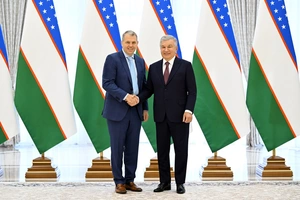
Shavkat Mirziyoyev reviewed proposals aimed at developing the electrical engineering industry and supporting the production of competitive products. The presidential press service reports.
During the presentation, officials noted that there are “a number of issues that need to be addressed.” Some companies face a shortage of collateral needed to obtain loans to replenish working capital.
There is also a need for more convenient mechanisms to purchase raw materials through the exchange and for expanded guarantees to attract global brands. To address these issues, new financial support mechanisms for the industry have been proposed.
Under the proposal, electrical equipment manufacturers would pay 25% of the cost when purchasing copper raw materials, while the remaining 75% would be covered by Uzsanoatexport.
Businesses would repay the funds within 90 days at an interest rate of up to 6% per year. A total of $50 million will be allocated to finance copper purchases.
When issuing loans, banks will be able to accept alternative forms of collateral, including export contracts and insurance policies. Part of loans provided in Uzbek soums and foreign currencies for investment projects will be compensated over three years.
International electrical engineering brands that invest at least $50 million in Uzbekistan’s economy will receive tax incentives. They will also be offered ready-to-use buildings with infrastructure for setting up production facilities.
Tax and customs incentives for the electrical engineering industry may be extended until 2030. Support for local companies in related sectors is also expected to be expanded.
To boost exports, the government plans to establish trade warehouses in foreign markets, simplify the certification of electrical appliances and facilitate their exports. Opportunities to expand exports of integrated technological solutions to the markets of Afghanistan, Mongolia, Kazakhstan and Iraq were also discussed.
Another initiative involves establishing a Research and Innovation Center for the Fourth Industrial Revolution. It will focus on digital modeling, localization and testing of new products, prototype development and engineering services.
The president instructed responsible officials to take measures to increase added value in the electrical engineering sector. The goal is to develop the production of high-tech goods and ensure integration into global value chains.
The English version of this material was generated with the assistance of AI translation tools and may differ slightly from the original text.