Uzbekistan plans to introduce quotas on sugar imports and provide tax incentives to local manufacturers. The measures are outlined in Cabinet of Ministers Resolution No. 417, dated July 30, 2026. The document is not available in the national legislation database Lex.uz but is in Spot’s possession. One informed source confirmed its authenticity to the publication.
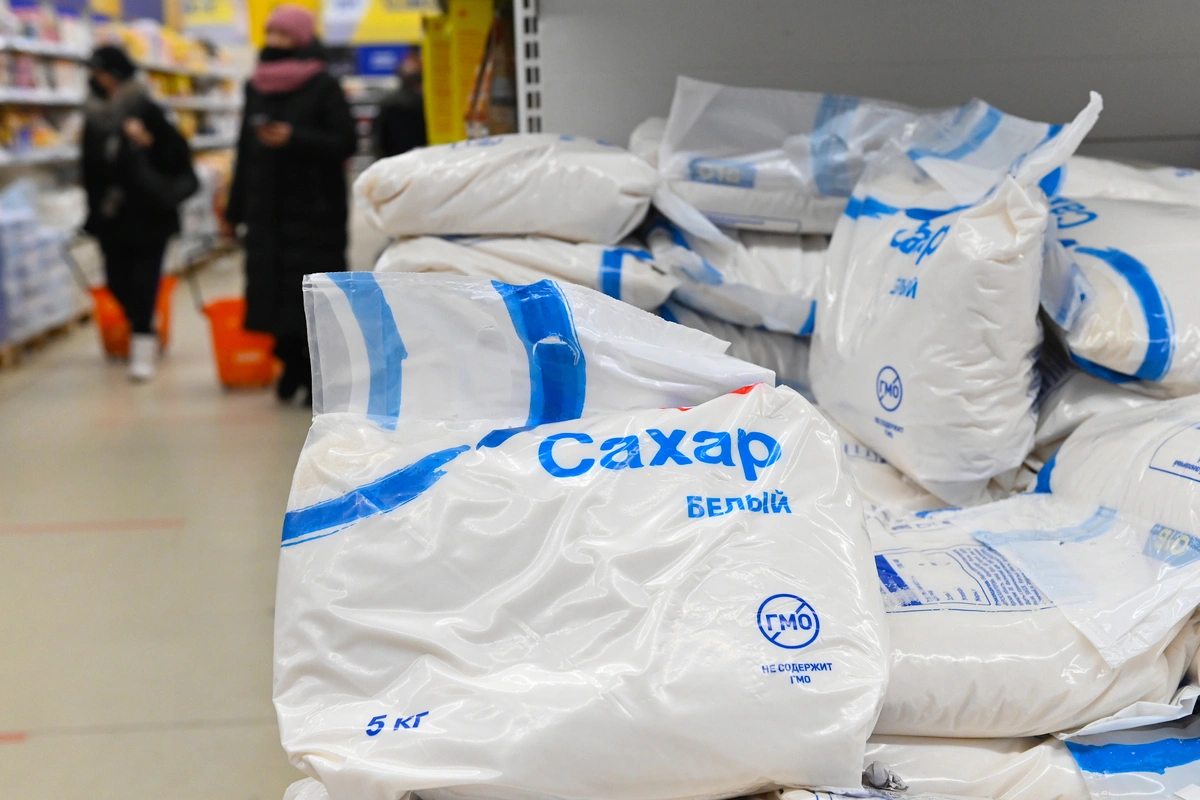
According to the document, the annual quota for white sugar imports will total 300,000 tonnes, with 100,000 tonnes allocated each to manufacturers of beverages, confectionery and other food products.
The Cabinet of Ministers will approve the quota for the following year in November, based on “substantiated proposals” from the Ministry of Economy and Finance, the Competition Promotion and Consumer Protection Committee, and the National Statistics Committee.
The quota may be revised every six months, taking into account domestic consumption, production capacity utilisation, and import and domestic prices.
Quotas are to be allocated through electronic online auctions. The system is scheduled to launch by December 1, 2026, and will be integrated with the Customs Committee’s Single Window information system. Auction results will be published openly.
Support for domestic producers
The resolution provides for extending the repayment period for existing loans owed by domestic sugar producers to Uzpromstroybank by up to five years, with a grace period of up to two years. Repayment schedules and interest rates are also to be revised based on the bank’s applicable lending rates.
Producers must fully repay their existing accounts receivable by the end of 2026. The document also предусматривает attracting $50 million in foreign direct investment to support the enterprises.
From August 1, 2026, to August 1, 2031, the Entrepreneurship Development Company will compensate 50% of interest expenses on foreign-currency loans used to import raw materials, capped at five percentage points. The measure applies to loans taken by domestic sugar producers regardless of their sustainability rating or loan classification, including those with overdue debt.
The Ministry of Economy and Finance has been instructed to prepare draft amendments to the Tax Code within one month. The proposals include exempting domestic sugar producers from corporate income tax and reducing property tax to 50% of the applicable rate until January 1, 2031. Funds saved through these tax incentives must be used exclusively to repay loans.
Domestic sugar and debt controls
From January 1, 2027, state organisations and enterprises must prioritise domestic producers when purchasing white sugar through public procurement. All output from domestic sugar plants will be sold through the commodity exchange, while finished products may be exported without restrictions.
Domestic sugar producers will also be eligible for free certification of locally manufactured goods and inclusion in the Register of Local Products and Manufacturers.
The resolution introduces additional financial oversight requirements. Producers are advised to appoint financial directors from among bank representatives. These representatives may participate in general meetings and block decisions that could worsen a borrower’s financial position. All surplus liquid funds must be used for early repayment of bank debt.
Companies may not distribute profits as dividends until their loans have been fully repaid. Pledged assets may also be inventoried and transferred to the bank’s balance sheet if a company launches projects not included in its business plan, increases its debt, falls behind on loan payments, or fails to ensure that sales revenue is transferred centrally to its account at Uzpromstroybank and accumulated for loan repayment.
Monitoring imports and production
The Customs Committee must publish quarterly data on imports of socially important food products by the 10th day of the month following each reporting quarter. The information must include import volumes, values and average customs value per tonne, broken down by supplier country and importer.
Domestic producers are also advised to hire foreign consultants to develop medium- and long-term strategies, audit their financial positions and prepare recovery measures. The resolution calls for digitising production and management processes, introducing a GMS production management system and international standards for product accounting and inventory management, and reducing production losses.
The document also proposes introducing security and monitoring by the Security Department under the Ministry of Internal Affairs, along with round-the-clock online surveillance of production processes using CCTV cameras.
Deputy Prime Minister Jamshid Khodjaev has been assigned responsibility for overseeing implementation of the resolution.
The English version of this material was generated with the assistance of AI translation tools and may differ slightly from the original text.