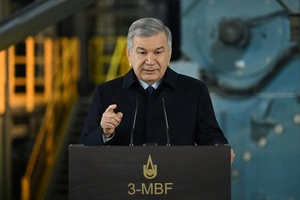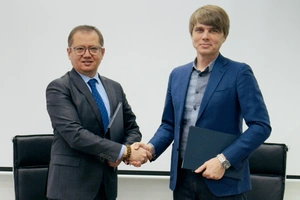

Shavkat Mirziyoyev holds a meeting on the comprehensive development of the Surkhandarya region. Presidential Press Secretary Sherzod Asadov presents the key points of the speech.
In recent years, over 8,000 business projects worth a total of $5 billion have been launched in the region. Agreements with investors from China, India, the United States, Russia, Austria, Hungary, and other countries provide for the implementation of initiatives worth an additional $10 billion.
“Surkhandarya is not only a place of beautiful nature, but also a land of strong-spirited, highly motivated people. The development of Surkhan means strengthening the southern pillar of the New Uzbekistan,” the head of state noted.
The goal is to reduce the poverty rate to 2.8%, unemployment to 4.5%, and make Termez, Denau, Jarkurgan, and the Angorsky, Muzrabat, and Kizirik districts “poverty-free.” Investments in the region are to be increased to $3 billion, and exports to $1 billion.
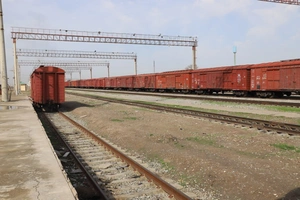
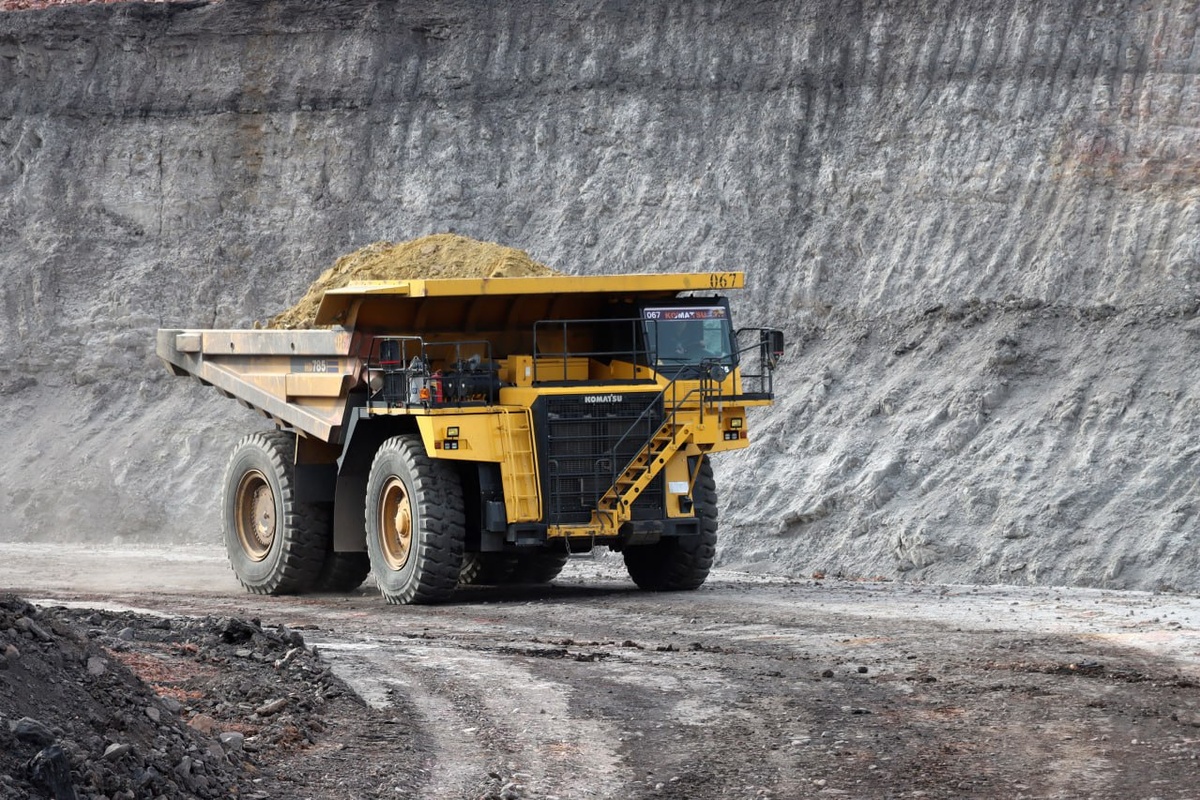
The President highlighted the untapped potential of the coal industry: with reserves estimated at 100 million tons, only 1% of this amount is extracted annually. Coal production at the Sanzhar and Aksu deposits is scheduled to begin by the end of the year, and at Fangart in 2027.
Chinese investors have expressed their willingness to invest up to $1 billion in coal deposits in the Sariosi region. South African company Sasol is interested in establishing the production of polypropylene, polyethylene, and rubber from coal.
The potential for using coal reserves in the metallurgical, chemical, automotive, electrical, and construction materials industries was highlighted. A plan for an industrial cluster costing at least $200 million was commissioned.
Bezaktop also boasts a promising natural stone deposit, the production of which could compete with Iran, Turkey, and Italy. The President has set the task of beginning geological exploration of the deposit as soon as possible.
Spot previously reported that Uzkimyosanoat plans to launch a $5 billion project to process coal and produce polymers.