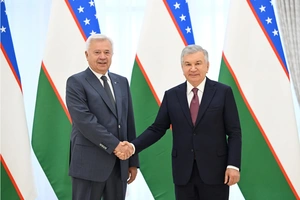
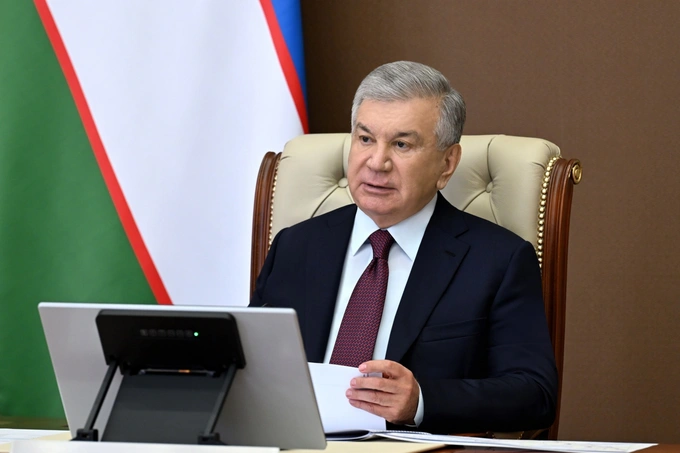
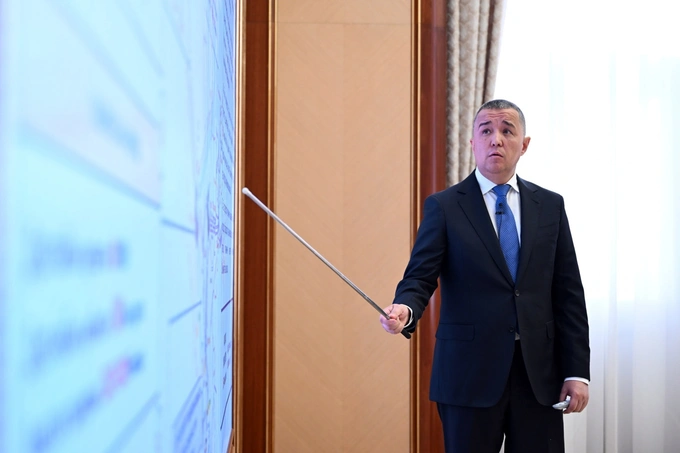
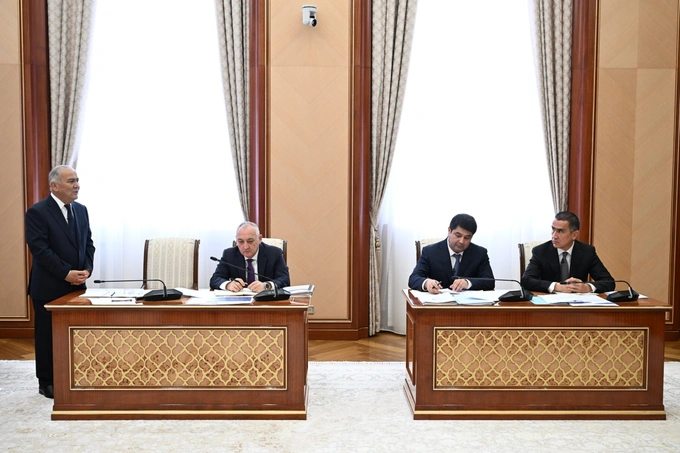
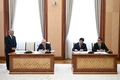
On October 5, President Shavkat Mirziyoyev reviewed a presentation on major projects being implemented in Uzbekistan’s oil and gas sector, the presidential press service reported.
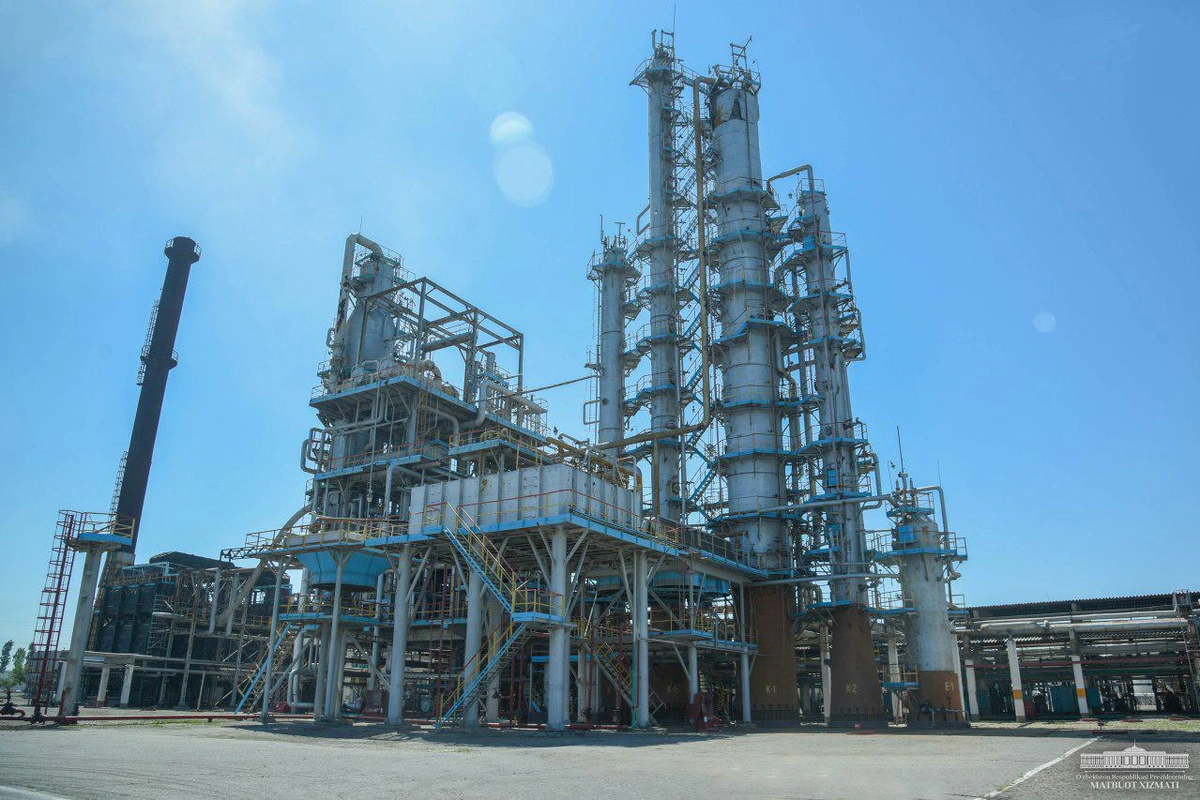
The meeting included a separate briefing on efforts to increase production and improve the financial condition of the Fergana Oil Refinery. Following repairs to key processing units, diesel fuel production increased by 30%, bitumen output by 60%, and jet fuel production fivefold.
Measures are being taken to ensure a stable supply of raw materials, make effective use of existing capacity and reduce the refinery’s debt.
By the end of the year, the refinery’s capacity utilization is planned to increase from 40% to 65%, with further growth expected.
The president instructed officials to improve the efficiency of geological exploration and drilling, implement major projects based on thorough calculations and clearly identified sources of financing, and improve the performance of oil and gas companies.
Fergana Oil Refinery returns to state ownership
In early June, it was reported that the Fergana Oil Refinery had returned fully to state ownership. According to the Unified State Register of Legal Entities, the sole founder of Farg‘ona neftni qayta ishlash zavodi is the State Assets Management Agency, which owns 100% of the company’s charter capital worth 124.54 billion soums. In May, the agency held a 58.5% stake, while the remaining 41.5% was owned by private company Sanoat Energetika Guruhi (Saneg).
In 2020, the Fergana Oil Refinery was transferred to the trust management of Sanoat Energetika Guruhi, then operating under the Jizzakh Petroleum brand. In May 2022, the State Assets Management Agency announced the sale of the refinery to Saneg for $100 million. The buyer was expected to invest $380 million in modernization, including the development of gasoline, diesel and gas production, and increase capacity to at least 2 million tons.
In September 2022, Saneg also announced a large-scale modernization of the refinery to produce modern gasoline, lubricants and other products. The project was expected to attract $400 million, of which more than $160 million had already been raised at the time.
In January 2026, the Cabinet of Ministers instructed officials to attract new investors to Saneg’s strategic projects, including the modernization of the Fergana Oil Refinery. It was also decided to sell the group’s non-core assets, including Enter Engineering and Eriell. In early March, it became known that the decision was linked to the need to repay $131 million in wage-related debts accumulated by the group.
Following the presentation, the president instructed officials to improve the efficiency of oil and gas companies and ensure the implementation of major projects based on thorough calculations and clearly identified sources of financing.
The English version of this material was generated with the assistance of AI translation tools and may differ slightly from the original text.