President Shavkat Mirziyoyev signed a decree on September 29 on developing the dual education system in higher education institutions. The document was published on Lex.uz.
The decree introduces the “enterprise — university — targeted training” principle to prepare highly qualified specialists. The new approach is intended to strengthen the integration of employers with education and ensure graduates have guaranteed employment.
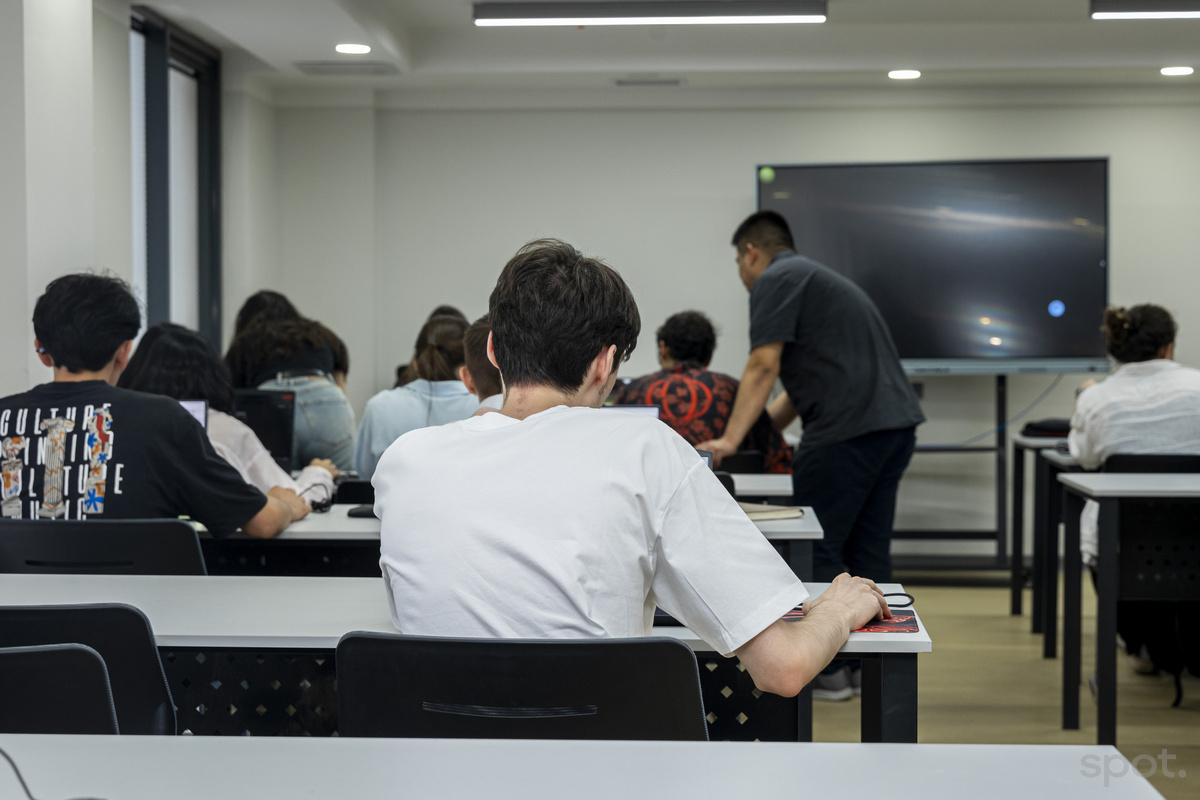
Starting from the 2027−2028 academic year, universities will launch dual education programmes. Enterprises will be able to place orders for student training on the condition that graduates are subsequently hired.
Each year, by September 1, universities, in coordination with the Ministry of Higher Education, will determine bachelor’s programmes where dual education will be offered. They will also be able to set admission quotas for these programmes.
Students admitted under orders from organizations on a tuition-based contract will be enrolled by October 1. Depending on the employer’s order, applicants may be admitted to the relevant programme without exams or through competitive examination.
The employer will be required to pay each student a monthly salary of at least one minimum wage, currently 1.36 million soums. In return, students will be required to work for the company for at least two years after graduation.
The theoretical component of dual education must account for at least 30% of the programme. Practical training will take place at the employer’s facilities with the participation of a mentor. Each mentor may supervise up to 15 students and receive 30 hours of workload per student annually.
State organizations will also be allowed to place training orders using funds from their extra-budgetary sources. Consortia involving several organizations and staff rotation between them will also be permitted.
Graduates of technical schools enrolled in programmes integrated with the higher education system will be able to continue studying in their field through dual education from the second or third year.
Students in dual education programmes in priority fields with high academic performance will be able to switch to state-funded places from their second year. These fields include engineering, manufacturing and processing, architecture and construction, and agriculture.
Children from families listed in the Social Registry will study under dual education programmes on a state-funded basis throughout their entire period of study. Universities may also provide them with social scholarships.
Employers will be allowed to establish practical training facilities at partner universities at their own expense.
Universities, in turn, will be allowed to organize production or service activities related to their training programmes under direct contracts with employers. They will also be able to organize professional courses in fields that are in demand on the labour market.
The English version of this material was generated with the assistance of AI translation tools and may differ slightly from the original text.