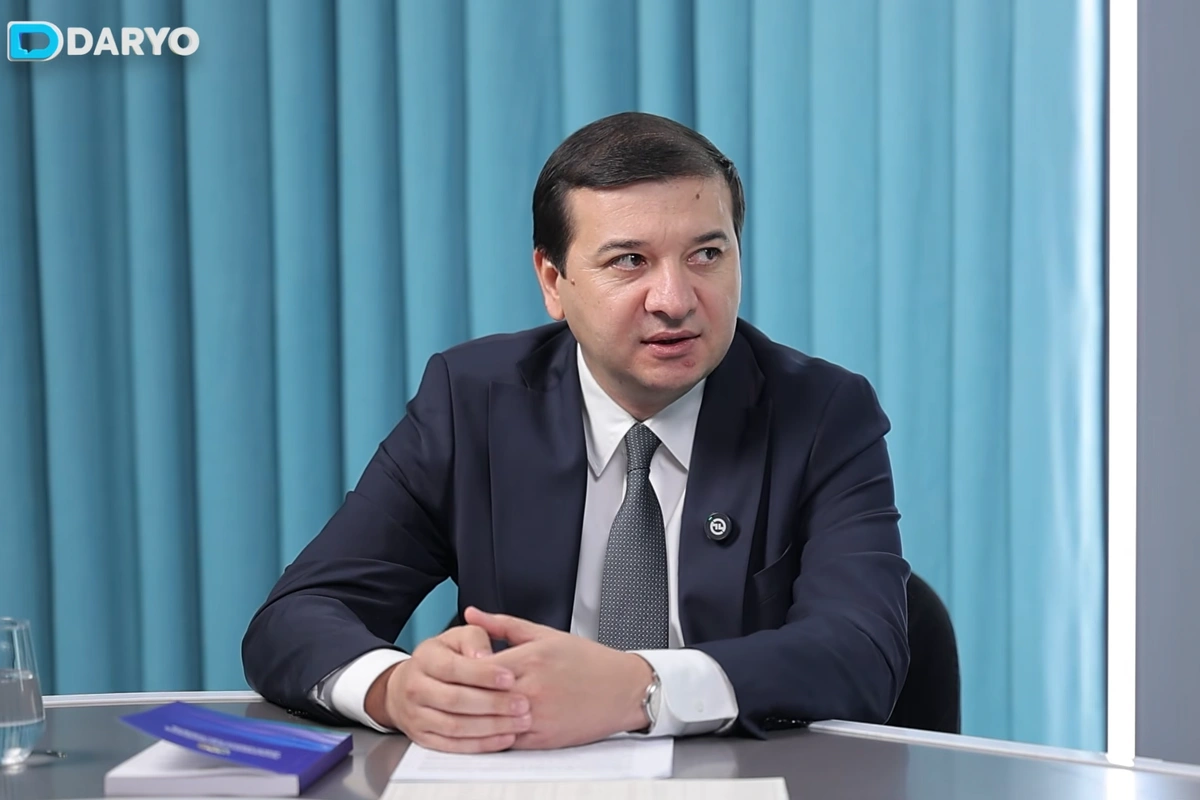
Accumulated problem assets at state-owned banks are reducing their investment attractiveness ahead of privatization, State Assets Management Agency Director Sokhibjon Murodov said in an interview with Daryo.
According to him, privatizing large banks requires separate preparation and can take several years. Before a sale, banks need to undergo audits, financial restructuring and the resolution of issues related to problem assets, including non-core assets. The agency is working with international consultants, including Big Four firms, on these matters.
“First of all, problem assets that have accumulated in these banks over the years need to be sold. If a bank is put up for sale with problem assets, its investment attractiveness will fall sharply”, Murodov said.
The agency’s head noted that problem assets at state-owned banks have accumulated over many years. In some cases, borrowers faced financial difficulties due to problems with their partners or changes in external export markets. In such situations, a bank can act as an investor, manager and partner to help restructure the business and return major assets to active circulation, reducing the volume of non-performing loans.
According to Murodov, the accelerated sale of such assets has been discussed twice at the government level. A presidential decree issued on August 28 introduced new mechanisms for selling assets held on the balance sheets of state-owned banks and their investment companies, including installment sales and interest-free installment plans. “This process will be accelerated”, Murodov added.
The English version of this material was generated with the assistance of AI translation tools and may differ slightly from the original text.