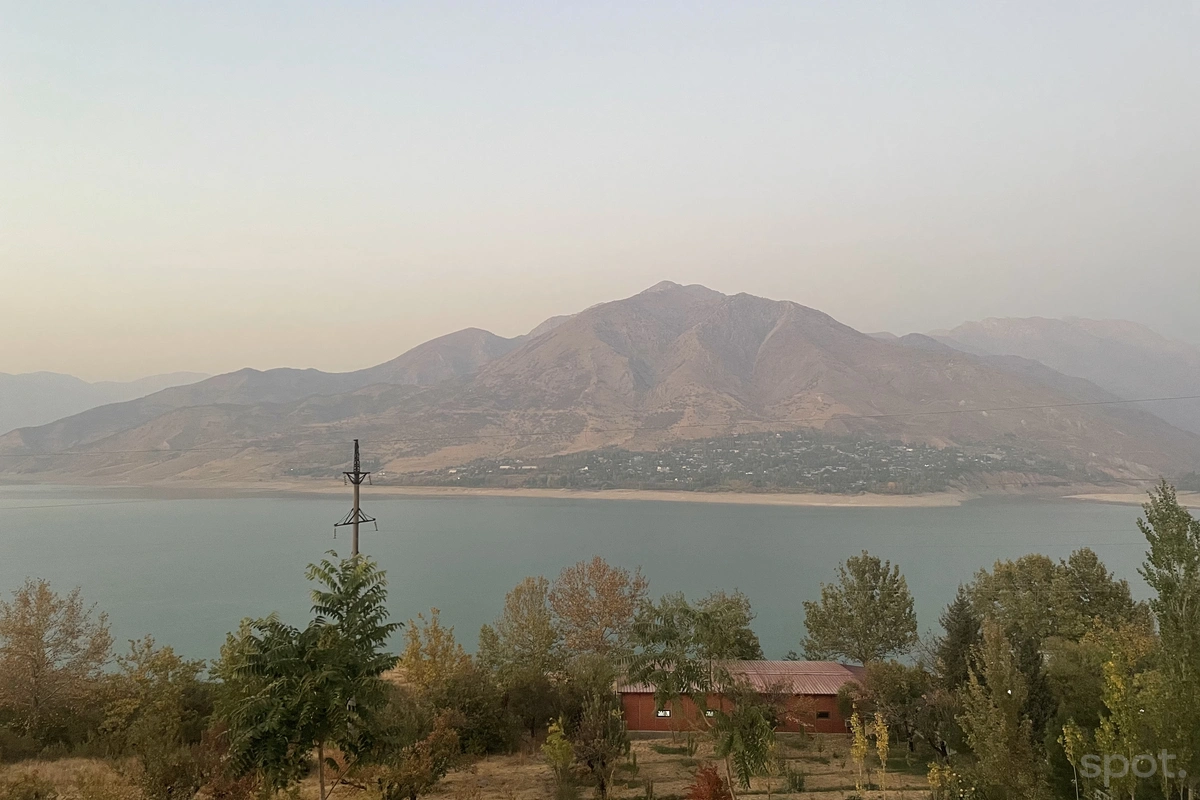
The Cabinet of Ministers approved a regulation on November 5 governing the provision of tourism services at and around reservoirs. The document was published on Lex.uz.
Under the regulation, tourism services may be provided on undeveloped non-agricultural land plots near reservoirs. Proposals for setting up such facilities will be reviewed by regional administrations.
Private entrepreneurs, the Ministry of Water Resources, the Tourism Committee and Uzbekhydroenergo may initiate tourism projects at reservoirs.
Master plans will be developed for tourism facilities near reservoirs. They must specify the location of tourism and service infrastructure, utilities, roads, recreational areas and public leisure zones.
The master plans will also outline measures to ensure visitor safety, evacuation routes and steps to reduce risks in emergencies. They will include measures to protect water resources and minimise environmental impact.
Land plots for tourism services near reservoirs will be allocated through online auctions.
Proceeds from land sales will be used to cover the costs of developing master plans and projects. The funds will also go towards developing tourism zones, building engineering infrastructure and roads, as well as their repair and modernisation.
The regulation sets out environmental, sanitary, urban planning and technical safety requirements for tourism facilities at reservoirs. A safety passport will be prepared for each facility, specifying:
- the maximum number of visitors;
- main sources of natural and man-made risks;
- the likelihood of emergencies, including mudflows, floods and fires, and their possible consequences;
- warning systems, evacuation routes and designated safe assembly points;
- rescue equipment, first-aid supplies and firefighting equipment.
Tourism facility operators must establish their own rescue service or arrange on-duty coverage under an agreement with professional rescuers. They must also monitor the safe operation of small vessels.
A number of mandatory safety requirements will be introduced to protect visitors and prevent accidents. Facilities must be equipped with lifeboats, observation towers, water-depth markers and warning signs indicating restricted areas and weather-related limitations.
In addition, facilities must have internal sewage systems and wastewater treatment facilities to prevent untreated discharges into reservoirs. Operators will also be required to sign contracts with waste collection companies.
The regulation also provides for the introduction of digital maps, online booking and QR code-based navigation services.
When locating tourism facilities, developers must take into account water protection zones, sanitary protection zones, and the risks of flooding and landslides.
The English version of this material was generated with the assistance of AI translation tools and may differ slightly from the original text.