
Uzbekistan intends to maintain a floating exchange rate regime and does not plan to return to intervening in the currency’s formation. Central Bank chairman Timur Ishmetov said this in an interview with the Financial Times.
According to him, when assessing the risks associated with foreign capital inflows, the structure of investments should be taken into account. In particular, Uzbekistan should place greater emphasis on foreign direct investment (FDI), especially long-term investment, rather than borrowing.
Ishmetov also outlined the Central Bank’s position on the exchange rate. He said the country has had negative experience with attempts to manage the exchange rate and does not intend to repeat those mistakes.
“We are committed to a floating exchange rate. We have our own bad experience of playing with the exchange rate. We don’t need anyone to teach us not to repeat these mistakes”, he emphasized.
According to the Central Bank chief, the transition to a floating exchange rate was the result of reforms carried out over many years, lasting around a decade. Therefore, the regulator does not intend to “play with” the exchange rate anymore or abandon the chosen regime.
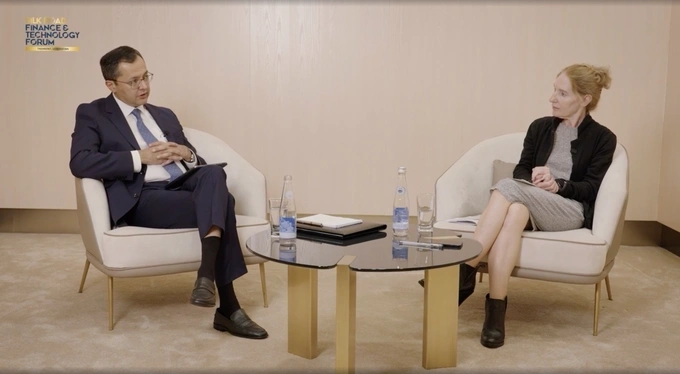
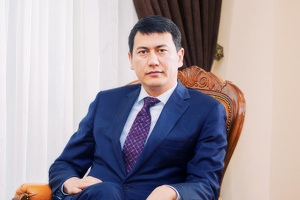
Timur Ishmetov. Photo: Screenshot
At the same time, Ishmetov highlighted several areas that should contribute to greater economic resilience.
“We should focus more on foreign direct investment rather than borrowing, pay more attention to the national currency and economic development”, he said.
According to him, economic growth should be driven not only by external borrowing but also by increasing domestic revenues.
The English version of this material was generated with the assistance of AI translation tools and may differ slightly from the original text.