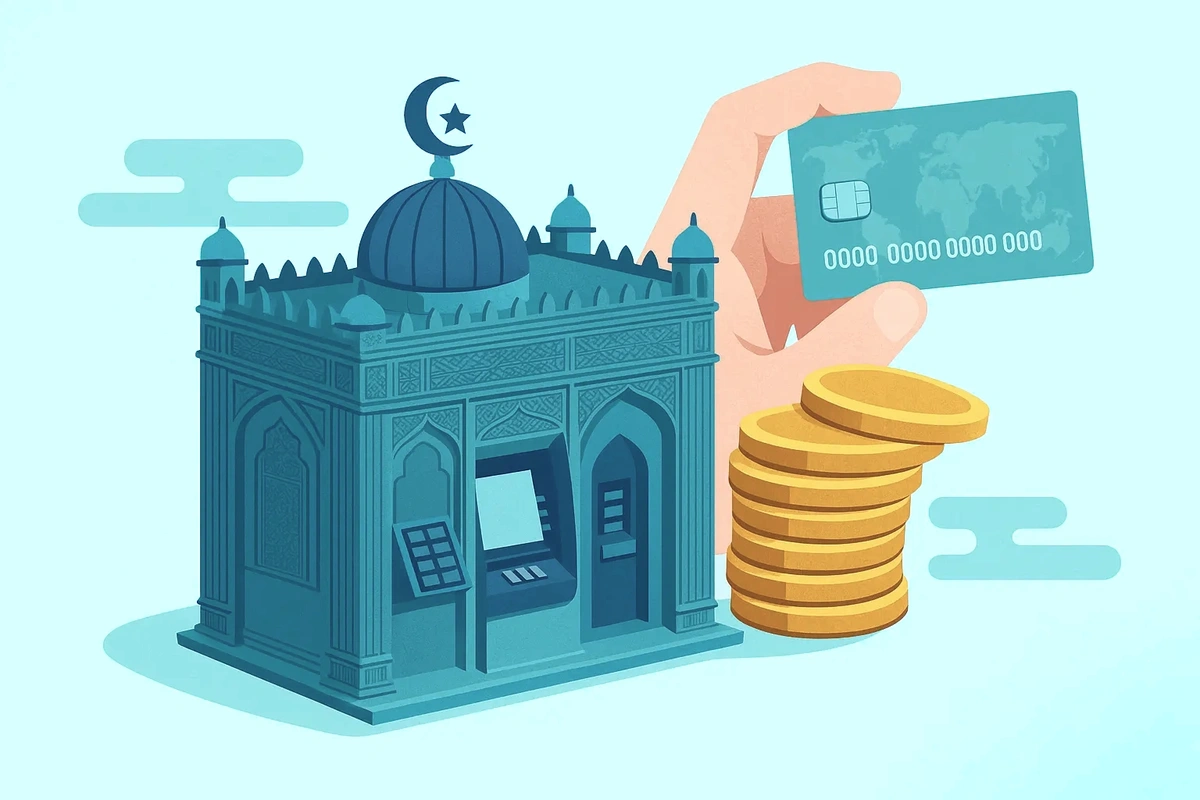
This week, Uzbekistan’s Central Bank issued the country’s first license for Islamic banking activities. It was granted to Open Bank, one of the country’s youngest banks. The license allows the bank to conduct Islamic financial operations and introduce new products. One example is ijara, an Islamic leasing arrangement under which an asset is leased with an option to purchase it.
Islamic finance was first given a legal basis in Uzbekistan in 2022, when microfinance organizations were allowed to offer Islamic products. Banks had to wait another four years for the same opportunity: the president signed the law on Islamic banking in March 2026.
An Islamic Finance Council has been established under the Central Bank. The regulator expects at least 10 Islamic banks to be operating by 2030, alongside “Islamic windows” at three state-owned banks. Between 2026 and 2030, Uzbekistan plans to attract about $1 billion in investment and deposits through Islamic banking.
Spot has already explained what Islamic finance is, what myths surround the system, how Islamic banks make money, and how to keep it from becoming a mere formality.
With the first license now issued, we asked market experts when customers might be able to use the first products, which banks could be next, and what risks to watch for at the outset.
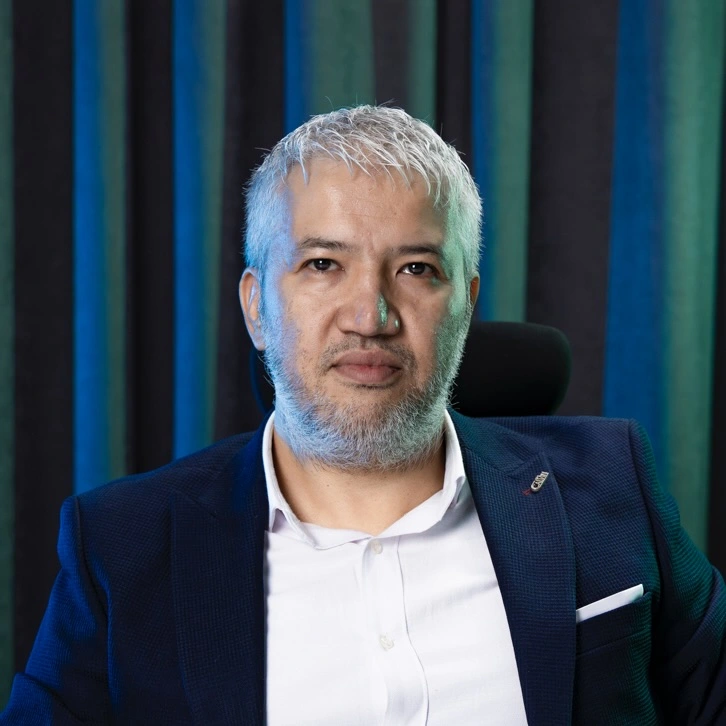
international expert in Islamic finance, author of the Telegram channel “Islamic Finance +” and online courses.
The first license undoubtedly marks a historic moment. We have finally moved from talk and legislative groundwork to action and implementation.
A real precedent has been set. This should help other banks prepare much faster to apply for licenses to open Islamic windows or launch Islamic banks.
It means people will be able to access business and consumer financing, Islamic mortgages and, importantly, Islamic deposits. International banking groups are also likely to start taking Uzbekistan seriously as a new frontier market.
It is important that the Central Bank issued a license not for a single product, but for Islamic banking activities as a whole. This is a comprehensive approach that covers the regulatory framework, Shariah oversight and governance, separate accounting, methodologies and IT systems. I therefore welcome the Central Bank’s decision to make this a priority.
At the same time, obtaining a license and launching products are two separate stages. The bank still has considerable work to do on individual products, particularly investment accounts. But I am confident that the first products will be announced soon.
One risk at the outset is that recent events involving IMAN Invest could damage the reputation of Islamic finance. However, because the banking sector is tightly regulated, I expect public trust in Islamic windows to be high.
Another risk is that individuals and businesses may misunderstand these products-or not understand them at all-because financial literacy remains very low. Loans are familiar to most people. Islamic products, by contrast, involve genuine sale-and-purchase, leasing or investment agreements with a bank, and this may put some people off.
If clients do not understand the products, they may not fully understand the risks they are taking. For example, the depositor bears the investment risk on an investment deposit, which could deter some customers. That is why clear, ongoing communication in plain language is essential.
There is also a risk that banks themselves will develop inappropriate products. This risk is real if they fail to establish robust Shariah oversight and promote controversial products from the outset, such as tawarruq and commodity murabaha.
Nevertheless, the fact that we have begun building a genuinely new industry is a significant milestone. It is now vital to protect its reputation by maintaining effective regulation and supervision, ensuring sound risk management, raising public awareness and creating an environment that attracts international investors.
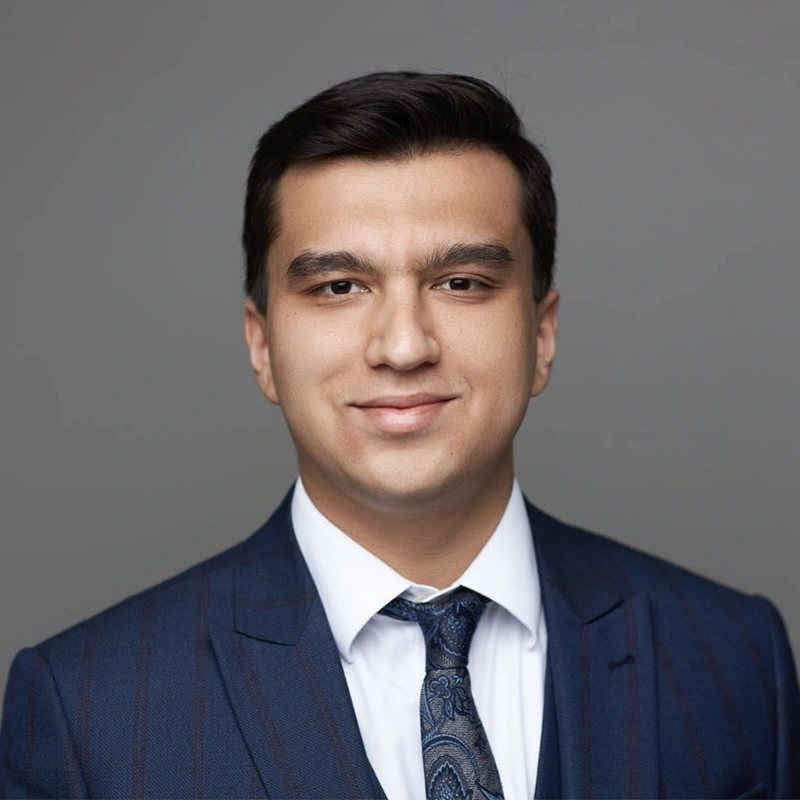
expert in Islamic finance and fintech, member of the working group responsible for developing legislation on Islamic banking in Uzbekistan.
The first license creates an opportunity to integrate Islamic products into a full banking infrastructure, with access to capital, payment services and a broad customer base.
But the main measure of the reform’s success will not be the number of licenses issued. It will be banks' ability to offer competitive Islamic financial products to the mass market.
The time between the law coming into force and the first license being issued was, in my view, reasonable. Less than four months elapsed. During that time, the regulator had to put the secondary regulatory framework in place and establish licensing and Shariah governance requirements.
This is not simply a matter of licensing another banking product; it is about establishing an entirely new line of banking business. Internationally, building a full-fledged Islamic banking infrastructure often takes years.
A license confirms a bank’s right to conduct Islamic banking activities, but it does not mean that its entire product range is automatically ready to launch.
The main challenge lies in operational execution. A bank must ensure that its products comply with Islamic standards and adapt its IT systems, accounting practices, contractual documentation, and sales, customer service and debt collection processes.
For example, murabaha requires a genuine purchase and sale of an asset, rather than simply replacing an interest rate with a trade markup. Obtaining an opinion from a Shariah board is therefore not enough: Islamic principles must be observed throughout the life cycle of a transaction, from the preparation of initial documents and invoices to electronic document management.
A bank must also establish a separate framework for accounting for, reporting on and managing Islamic operations. The quality of this infrastructure-from the automated banking system to internal processes-will determine whether the bank is ready to scale up.
I expect banks to enter the market gradually, starting with relatively standardized products. These are likely to include murabaha, which finances the purchase of goods through a pre-agreed markup and installment payments.
This is a logical starting point. According to the Central Bank, murabaha accounts for about 63% of Islamic microfinance in Uzbekistan. Consumers in the country are also already familiar with installment payments.
Over time, Islamic leasing (ijara), partnership-based financing and investment deposits may also develop. However, the scale of the rollout will depend on available capital, technology and qualified specialists-not merely on whether a license has been issued.
The Central Bank says more than 10 commercial banks are preparing to introduce Islamic finance. Agrobank, Asakabank, Ipak Yuli Bank, Orient Finans Bank, Hayot Bank and Apex Bank have also spoken publicly about their plans. In June, Agrobank’s shareholders approved the introduction of Islamic banking services, while Asakabank’s shareholders approved the creation of an Islamic window.
It is too early to say which banks will be next to receive a license. Timelines will depend on each bank’s readiness, its fulfillment of regulatory requirements and decisions by the Central Bank.
In the initial phase, I expect Islamic windows within existing banks to be the main model. This is a more pragmatic approach: it allows banks to use existing infrastructure instead of establishing a separate bank from scratch.
In the medium term, the government has set a goal of establishing at least two full-fledged Islamic banks by 2030.
I see three main challenges at the outset. The first is Shariah compliance. Islamic banking must not amount to simply rebranding conventional lending products. What matters is the actual economic substance of transactions, the proper allocation of risk and independent Shariah oversight.
The second challenge is capital and staffing. Now that the legal framework is in place, limited access to long-term funding and a shortage of qualified specialists could become the main constraints on growth. Islamic banking requires expertise in banking, law, risk management and Islamic financial standards.
The third challenge concerns customer expectations. Islamic financing does not mean financing at no cost. Customers should carefully assess a product’s total cost, fees, and the terms that apply to late payments and early repayment. It is especially important to understand how profits and risks are allocated under investment deposits, which differ from conventional bank deposits in their economic nature.
At the outset, banks' main task is to earn customers' trust through transparency, product quality and consistent adherence to Islamic principles.
Islamic banking products will not necessarily be cheaper than conventional loans. Islamic finance differs from conventional finance primarily in how transactions are structured and risks are allocated-not because it guarantees a lower cost.
At the initial stage, limited access to funding, a lack of economies of scale and additional operating costs could make some Islamic products more expensive than their conventional equivalents.
At the same time, the law provides for a special tax regime, including an exemption from VAT for markups on certain Islamic transactions. This removes one significant barrier to price competitiveness.
Ultimately, customers will consider not only whether products comply with religious principles, but also their price, speed and convenience, along with the quality of service.
In my view, an Islamic bank’s main competitor may not be a conventional bank, but a fintech platform offering an alternative with a better user experience. The banks that succeed will be those that combine the Islamic finance model with the efficiency of modern digital banking.
The English version of this material was generated with the assistance of AI translation tools and may differ slightly from the original text.