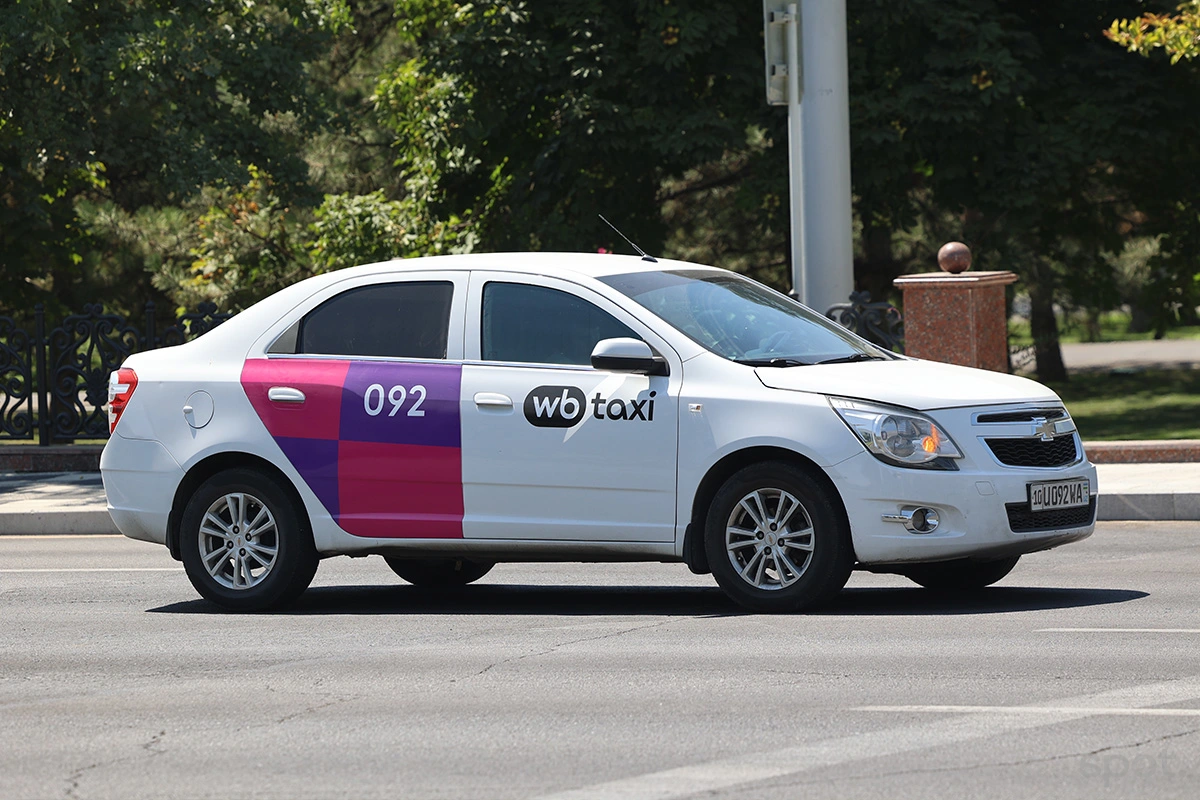
Uzbekistan’s Competition Committee has added WB Taxi to its list of digital platform operators holding a dominant market position.
Under an order issued by the regulator, the company has been recognised as a dominant digital platform operator in the market for intermediary (aggregator) services for placing passenger transport (taxi) orders and providing taxi services.
To prevent the abuse of its dominant position, WB Taxi will be required to introduce an antitrust compliance system. The regulator also plans to establish relevant monitoring mechanisms.
Two weeks earlier, the committee recognised Uklon UB, the Uzbek legal entity of Ukrainian taxi aggregator Uklon, as a dominant digital platform. Yandex Go received the same status in December 2023.
In mid-October, the committee announced a review of the taxi aggregator market and the prices set by these services. The regulator pointed to fare increases during peak hours amid technical problems with Yandex Go, which triggered public complaints.
What does the status mean?
Digital platforms are classified as dominant if they have a network effect and meet at least one of two criteria:
- annual sales revenue exceeding 100,000 basic calculation units (BCUs), or 44 billion soums;
- more than 50,000 monthly active end users or more than 3,000 monthly active business users.
The status is also granted, regardless of the number of users or revenue, to platforms that account for more than 40% of a particular online services market. It is reviewed once every three years.
Operators holding a dominant position or having superior bargaining power are prohibited from engaging in practices that restrict competition. In particular, they cannot prevent businesses from making agreements with users outside the platform.
Platforms are not allowed to use data belonging to businesses competing with them without permission. They are also prohibited from restricting the sale or purchase of competitors' products, or promoting their own goods and services on more favourable terms than those offered by users or third parties.
In addition, platforms cannot prevent users from installing third-party applications and services. They are prohibited from unjustifiably reducing service quality or restricting users' ability to switch to another service provider.
The English version of this material was generated with the assistance of AI translation tools and may differ slightly from the original text.