The Central Bank of Uzbekistan has proposed publishing a multi-year schedule of planned utility tariff changes in advance. The proposal is included in the draft Conceptual Framework for Monetary Policy Guidelines for 2027 and 2028−2029.
Uzbekistan’s total installed power generation capacity increased by 50% between 2021 and 2025, reaching 24.74 GW. Over the same period, electricity supply grew by 16.3%, from 74.95 billion to 87.18 billion kWh.
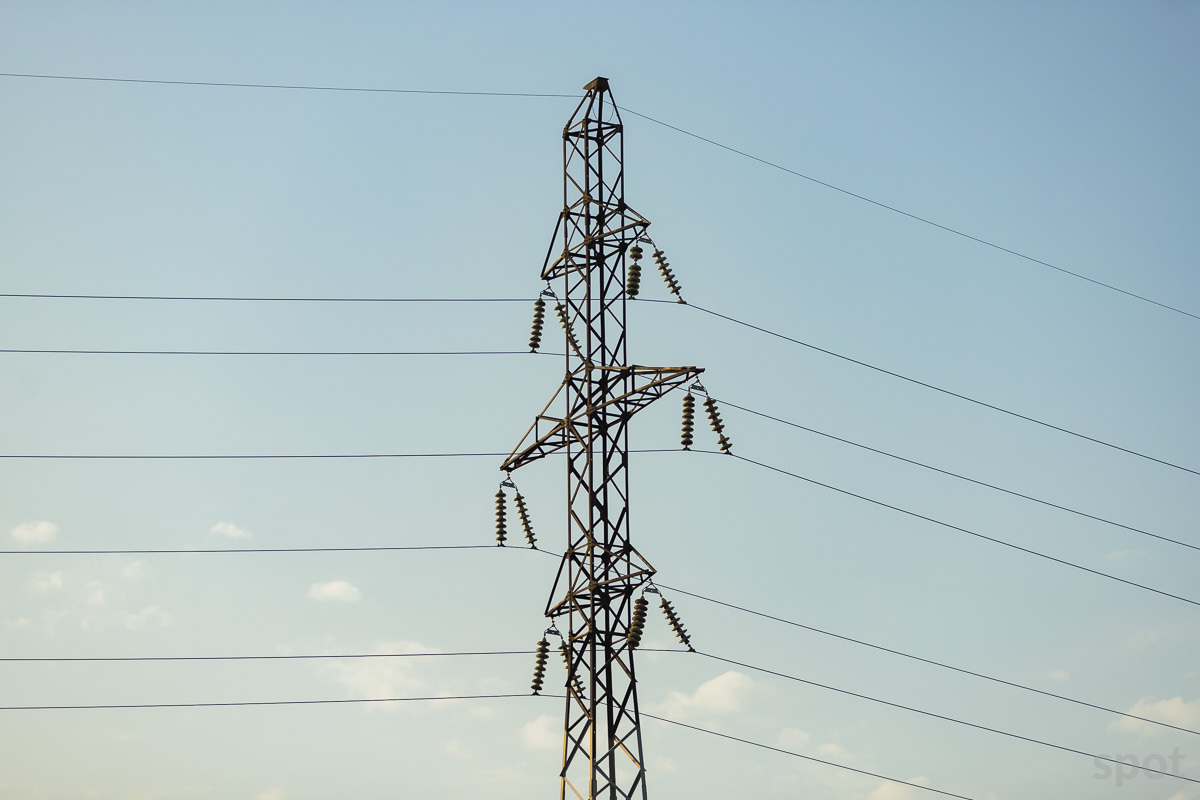
The Central Bank noted that new generation capacity and the expansion of renewable energy sources are increasing electricity supply. However, ageing power grids, energy losses and outages in some regions may limit the effective use of available capacity.
The regulator stressed that growing energy demand makes it necessary to modernise electricity networks and improve supply reliability alongside expanding generation capacity. This is important for ensuring stable business operations and reducing costs.
The document also notes that bringing energy tariffs closer to economically justified levels would provide funding for modernising the sector. However, tariff increases could add to consumer prices and production costs in the short term.
The Central Bank said the long-term impact of reforms would depend on improvements in service quality, management efficiency and supply reliability, as well as reductions in technical losses.
Publishing a schedule and parameters for tariff changes several years in advance could help households and businesses plan their medium-term expenses and stabilise inflation expectations, the document said.
On June 1, electricity and natural gas tariffs in Uzbekistan were increased again. Differentiated rates based on household consumption levels remained in place, while a new monthly electricity consumption bracket of 201−500 kWh was introduced.
Since the beginning of 2026, a mechanism has also been in effect to index electricity and gas tariffs for households annually, generally in line with annual inflation but by no more than 10%.
In October, Deputy Minister of Economy and Finance Khurshed Mustafayev said that households had reduced their energy consumption and begun saving resources following the tariff increases.
The English version of this material was generated with the assistance of AI translation tools and may differ slightly from the original text.